



It was 15 December 2015. 40 years, three daughters and 3 grandchildren after we first met, I drove my wife to an outpatient appointment with a Consultant Psychiatrist who specialised in memory loss. The Consultant told us Vicky had contracted a rare type of dementia called fronto-temporal dementia, affecting people between the ages of 45 and 65.
She told us it was untreatable.
I was in shock. I had hoped my wife’s condition, whatever it was, would be treatable. And now I was being told there was no treatment either to cure or alleviate such a condition.
No one had prepared me for this.
The moment that changed everything
When I heard the diagnosis, my world started to spin out of control. I felt helpless. I had no idea what to do or what to say, and yet it was clear that the Consultant was now handing the issue of my wife’s welfare over to me. I was now more than her husband. I was her carer.
Between that fateful day and my wife’s death was a painful journey of four and a half years. She spent the last 8 months in a dementia care home because it was no longer safe for either of us for her to remain at home.
Learning along the way
I learned a lot along the way that I wish I had known earlier. It might seem strange to start by thinking about the issue of control, but please indulge me for now and I trust my intention will become clear.
Once the numbness of the shock had started to wear off, I realised my principal job was to keep Vicky safe. The woman I knew and loved was strong and independent-minded and would not take kindly to limitations on her freedom. She was still physically fit and active, fiercely independent, and would have defied any attempt I might make to wrap her in cotton wool. I felt stuck between a rock and a hard place. I wanted to keep her safe. But I did not want her to resent me or fight me when my aim was to keep her safe.
What I could not control
With hindsight the most important first step for me was to recognise what I could and could not control. I could not control the progression of her condition – no-one could. I couldn’t control the way she now thought and behaved. I couldn’t control how our family would react to the news. There were a lot of things I wished I could control, but now I realised I couldn’t.
What I could control
There were however some things I could control.
I could control how I thought about what we were experiencing and how I reacted. Easier said than done but the reality was that no-one else could control what I thought and how I reacted other than me. People could influence my thinking, but they couldn’t control it.
Knowing that she had a degenerative disorder helped me understand that she couldn’t help how she was behaving, that it wasn’t deliberate on her part. It helped me stop being frustrated or angry with her, which helped reduce the stress I was feeling. She wasn’t trying to annoy or defy me, but she has sadly lost the ability to regulate her own behaviour.
I couldn’t control the subtle changes that happened almost daily as her cognitive capacity declined. I couldn’t anticipate them, so I had to be prepared to react to them day by day, however unwelcome they might have been.
Controlling the home environment
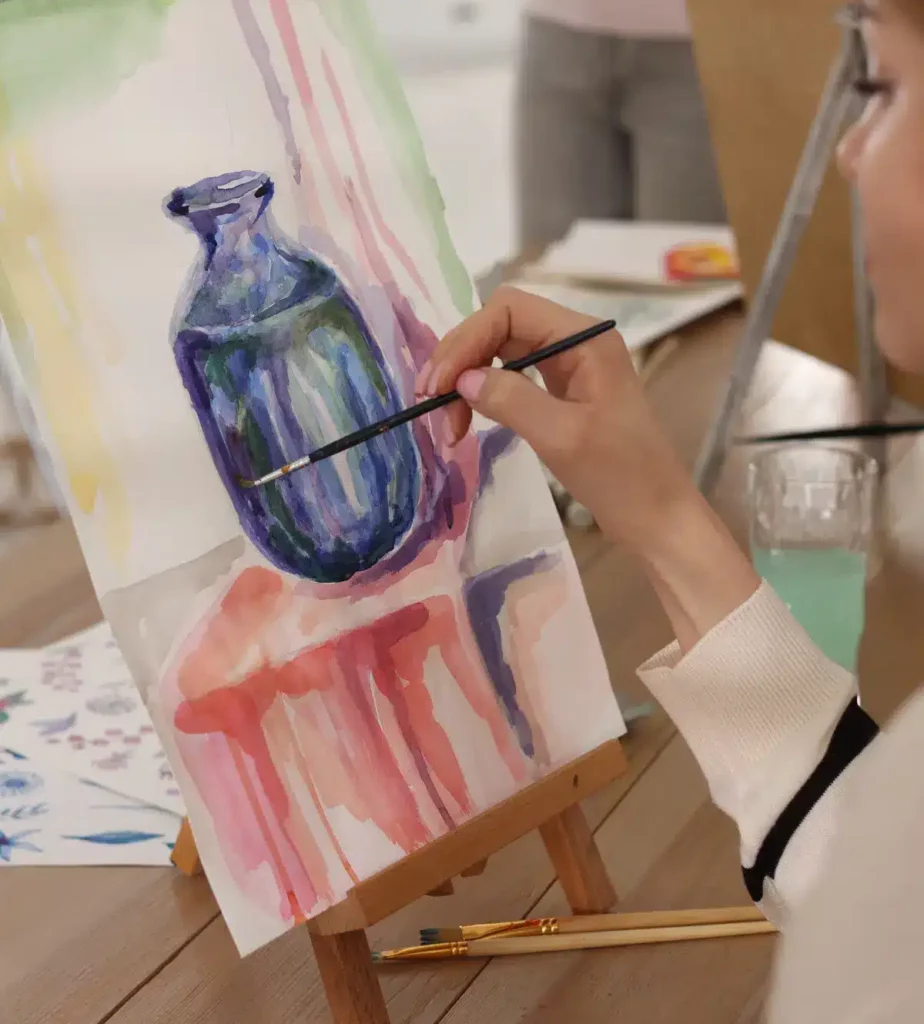
I could however control the environment at home to a significant degree without infringing on her liberty and dignity. It meant I had to take on roles I had never had before. As an example, she was a gifted artist and spent hours happily every day in her small studio. The longer she spent there the more materials she used and so I had to ensure the ready supply of canvases, paints, sketch pads and everything she needed by anticipating when her materials were running out. That way we avoided her searching for the hidden car keys and the urge to drive off to the art shop without telling me (she was banned from driving but that didn’t stop her wanting to drive).
It was my job now to make sure the kitchen cupboards and fridge were stocked with the increasingly limited range of foods and drink she would eat and drink. I had to be watchful and spot small changes in her capabilities so I could adjust things around her. A simple example of me controlling the environment was to watch how she used knives in the kitchen when cutting a block of the hard cheese she loved when preparing her sandwich for lunch. She would have resented me taking over and making the sandwich for her because that was taking away her feeling of independence. But there came a point where her use of a knife was unsafe and so I removed the risk by pre-slicing the block of cheese. She could still make her own sandwich with the cheese she wanted but without having to cut it herself.
The limits of control outside the home
My next point about control is about the social and external environment. I could control better how I thought about our situation and I could control to a significant degree the environment in our home. My controls over her external environment however were much more limited.
As an example, one of the patterns of Vicky’s days had always been her daily walks with our dogs. I would occasionally go with her if I didn’t have too much work on. She had always enjoyed the exercise and meeting people while she was out. While her cognitive capacity had diminished, her desire to go walking had steadily become the central focus of her day, without which she could not settle and would be constantly restless.
After a specific incident there came the point where I had to ensure she never went out alone, but beyond that I could not control who we would encounter. I knew her patterns of behaviour however and that meant that while I couldn’t control her interactions with people as she became increasingly disinhibited (and occasionally unintentionally offensive) I had strategies to handle the situations without belittling or embarrassing her. In those situations, I realised that any embarrassment I experienced was mine and mine alone. She wasn’t embarrassed … and the people we met pretty well always treated her with kindness and understanding. Which brings us neatly back to having to change my mind-set and how I thought about what I experienced.
What I learned in the end
In summary. No-one prepared me for this. And it felt like life had spun out of control.
What I learned was that it hadn’t spun out of control. I just wasn’t in control of it all in the first place.
You can’t control it all – so be kind to yourself and stop trying to control what you can’t control. Find instead the things you can control, starting with yourself.
And one final thought. I made sure I got friends and family around me to provide the support I needed. There is also great support available from organisations like Carer Support West Sussex. Do take the help offered to you or ask for that helping hand if you need to – there is no shame in that.
Dr Roger Greene
Director of Partnerships & Deputy Chief Executive at AtaLoss