
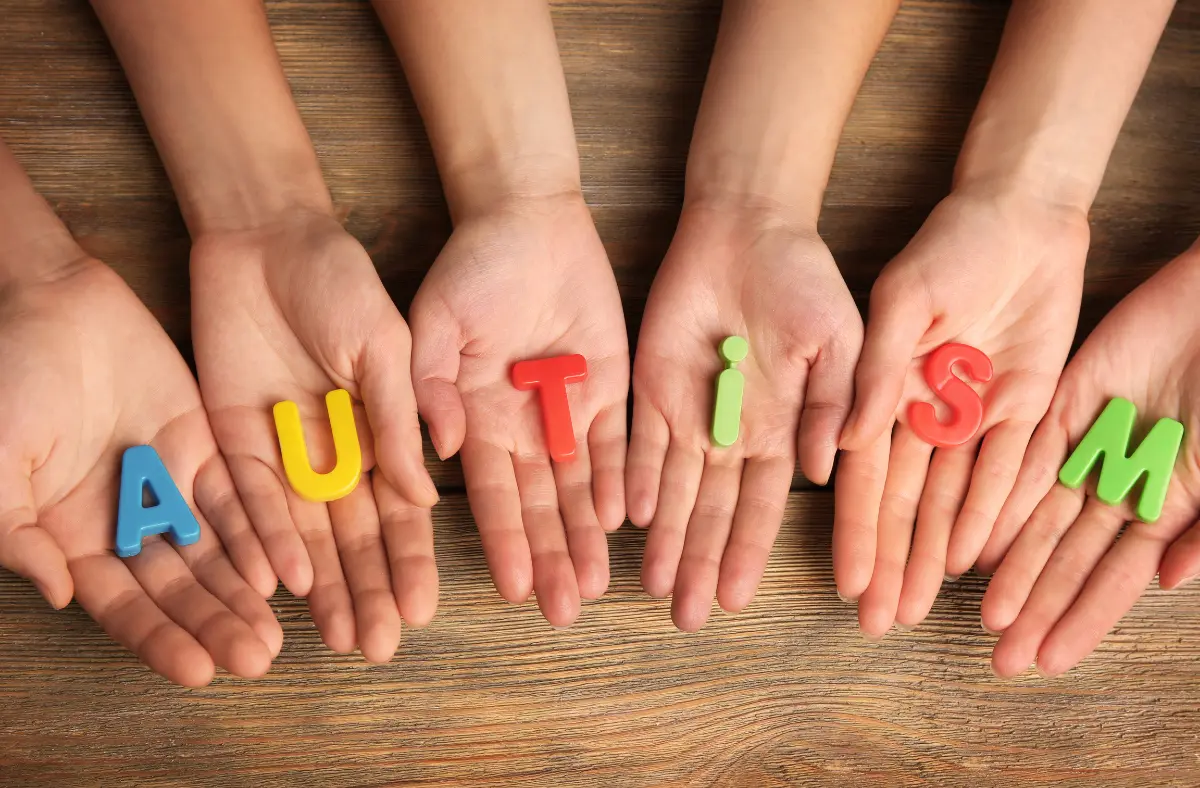

April is Autism Acceptance Month, a time to deepen our understanding of autism and celebrate autistic people in our communities.
Autism acceptance?
An important aspect of Autism Acceptance Month is promoting autism acceptance, creating environments where autistic people feel understood, respected and included.
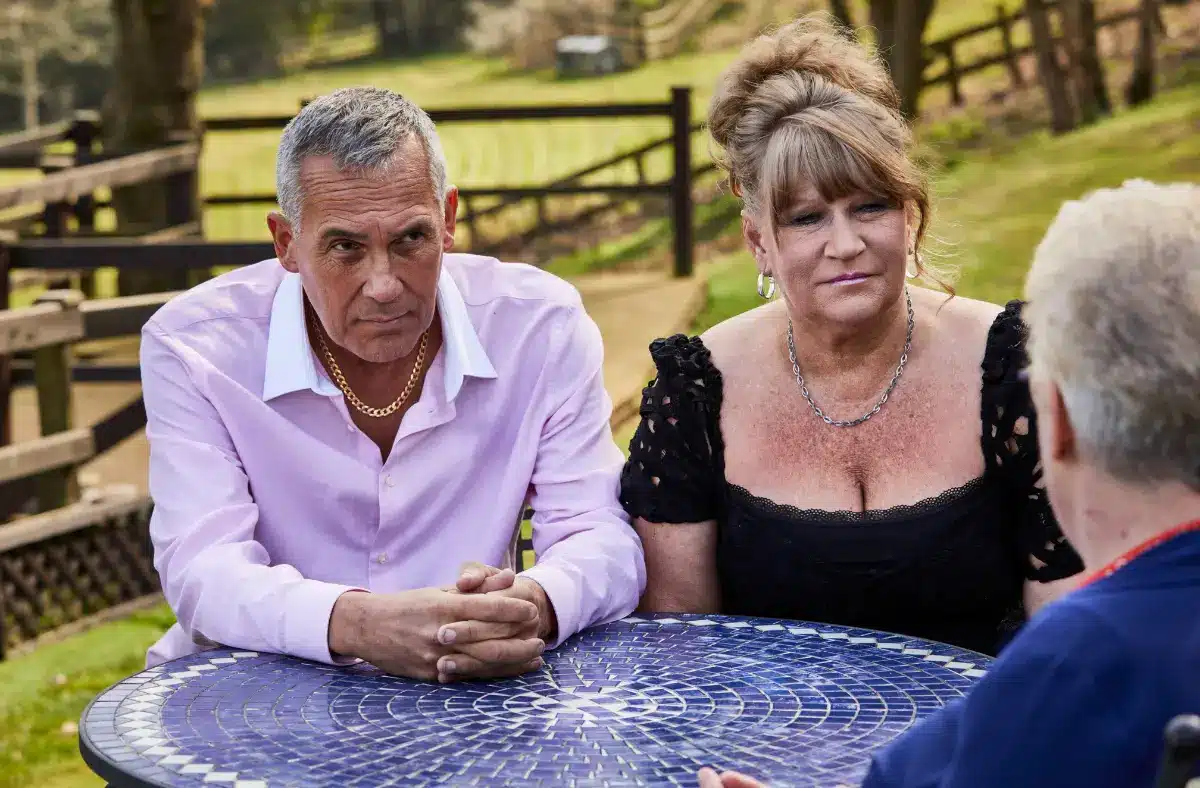
We asked one of our carers, Jackie, who supports her 34-year-old son, what autism acceptance looks like in everyday life:
“Autism acceptance is when you feel welcome in a place. For example, when a bus driver makes a point of talking to my son as if they’re pleased to see him again, or when people who run a café reassure you that it’s OK for my son to make some noise without us feeling uncomfortable.
It’s when the library relaxes its silence policy so my son can use the computer. Even better, though not expected, is when people go out of their way to interact with my son on his terms, like bumping fists or high fiving.”
So, what exactly is autism?
Autism is a lifelong neurodivergence and disability that influences how people experience and interact with the world. It is not a phase or something that can be “grown out of.” Autistic people are autistic for their entire lives.
Autism is more common than many people realise.
More than 1 in 100* people are autistic, and there are at least 700,000 autistic adults and children in the UK. People of all ages, genders and ethnicities can be autistic, though many, particularly women, girls and people from marginalised groups, face significant barriers to receiving a diagnosis.
Autism is often described as a spectrum, but this doesn’t mean a simple sliding scale from “more” to “less” autistic. Each autistic person has a unique combination of characteristics, strengths and challenges, no two people are the same.
Even those who have cared for someone for many years may not always understand what is causing distress. Professionals, too, can sometimes struggle to fully grasp how autism affects communication. As Jackie also explains:
“Even the clinical pharmacist we consulted, when my son had a bad back, struggled to grasp that our son can’t explain what hurts. We don’t know either, we can only infer by watching his behaviour.”
The Core Characteristics
To receive a diagnosis, a person must show core differences in three key areas:
Communication: Autistic people may use and interpret language, tone and body language differently. Some may use alternative methods to communicate.
Behaviours and interests: This can include focused passions, repeated movements (sometimes called “stimming”), and a preference for routine and predictability.
Sensory processing: Autistic people may be more or less sensitive to sights, sounds, touch, taste and smell than non-autistic people.
For many autistic people, being autistic is central to who they are. It is not a deficit to be fixed, but a different way of experiencing the world. The barriers autistic people face are often created by a society that is not yet designed with them in mind.
Support for Carers in West Sussex
Caring for someone on the autism spectrum can present unique challenges, and Carers Support West Sussex (CSWS) is here to provide practical guidance, understanding, and empathy. You can discover information and links to other national and local organisations for further support and resources that may be useful in their caring role here.
CSWS hosts online support groups for carers of autistic adults. These friendly, supportive sessions give carers the opportunity to connect with others in similar situations, share experiences, and learn more about the support available to them.
To find out more about available support or to register as a carer, contact Carers Support West Sussex on 0300 028 8888 or email info@carerssupport.org.uk.
*Source National Autistic Society