


The Power of Being Heard: A Carer’s Perspective on Mental Health
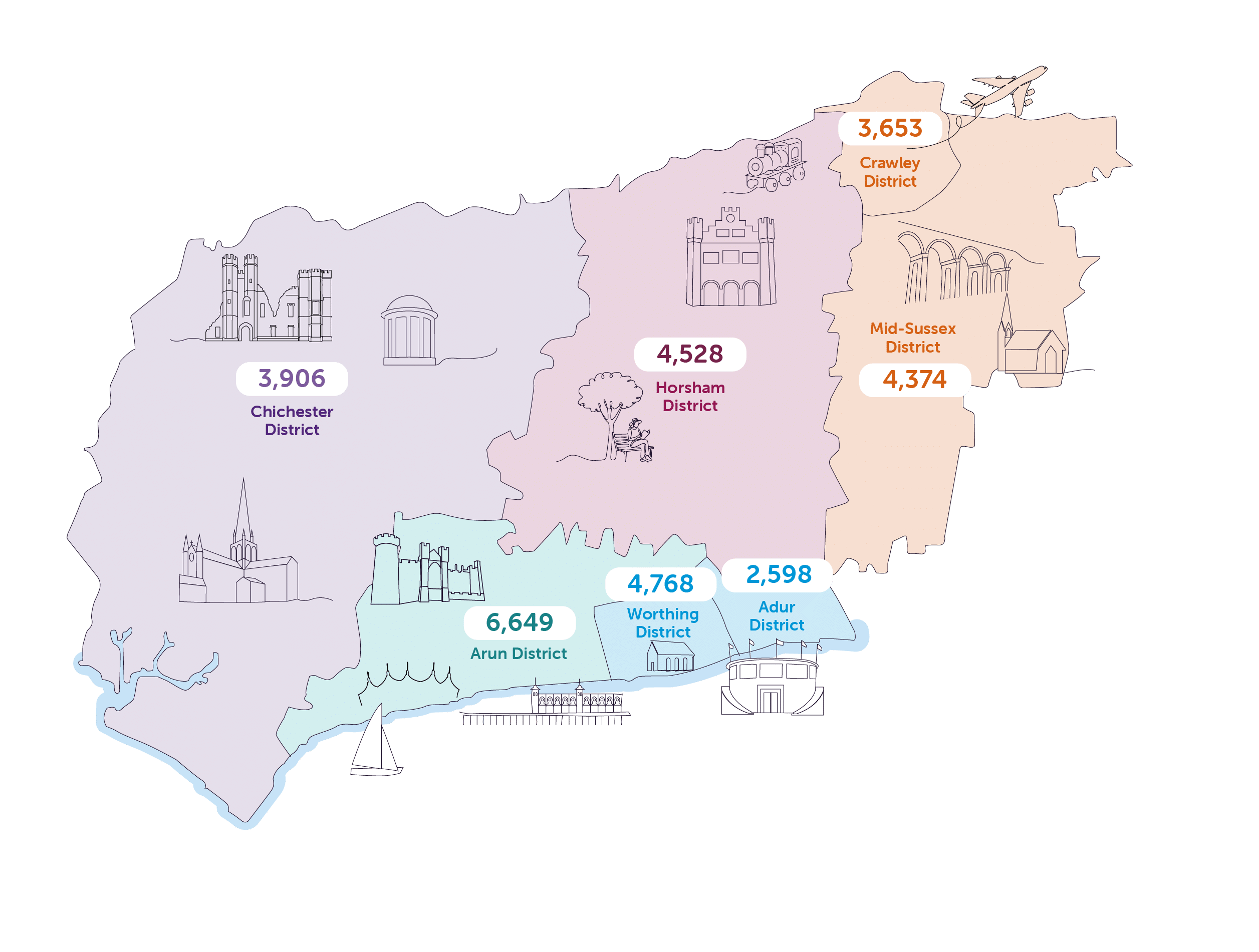
Mental health affects thousands of people across West Sussex. Around one in six adults experience a common mental health condition, and almost 10,000 new diagnoses of depression were recorded in West Sussex in 2023/24 alone. *
Behind every diagnosis is a person, a family, and often an unpaid carer providing support, reassurance and practical help every day.
For World Mental Health Day 2026, we are reflecting on this year’s theme: “Lived experience heard, real voices, real change.”

Lived experience of one of our team members
At Carers Support West Sussex, our Mental Health Lead, Aimee, understands the realities of mental health through both professional knowledge and personal experience.
Aimee was diagnosed with Complex Post Traumatic Stress Disorder in her 20’s. In the time of pre diagnosis she often found herself confused, unsure where to turn and wondering what was so wrong with her. Aimee met various people in various services, some she meshed with and some she didn’t. Some she will never forget for positive reasons.
Aimee also recalls the worry her family went through and knows the word worry doesn’t quite cut it! The hours of time and care those close to her put in was invaluable. Their strength really supported her in her fight. Navigating services and finding what works well for you in your Mental Health journey can be tricky. Aimee now knows there isn’t anything wrong with her and recognised that she needs different things to look after herself and maintain her Mental Health and it’s something she works on every day.
Aimee’s experience gives her a unique understanding of the challenges faced by both people living with mental health difficulties and those supporting them. It also reinforces an important message: meaningful change happens when people feel listened to, understood and valued.
Are You Caring for Someone Affected by Mental Health?
If you support a family member, partner, friend or neighbour with their mental health, you are not alone.
Every caring situation is different. Some carers have supported someone for many years. Others may be navigating a recent diagnosis or changes in someone’s wellbeing. Some feel confident in their role, while others may be reaching out for support for the first time.
There is no “right way” to be a carer, and there is no measure of what your caring journey should look like.
What matters is recognising that your role is important and that support is available for both you and the person you care for.
The Power of Listening
When asked what makes the biggest difference, Aimee highlights something surprisingly simple: listening.
Not listening to respond or solve a problem immediately but listening to truly understand.
When someone is struggling with their mental health, feeling heard can be incredibly powerful. Taking time to sit with someone’s emotions, acknowledge their experience and offer a non-judgemental space can be the first step towards getting the support they need.
Many people find it difficult to ask for help. They may worry about being a burden, fear they will not be understood, or simply not know where to turn.
This World Mental Health Day, we encourage everyone to remember the value of making time for conversations, sharing experiences and helping people feel less alone.
Why Support Matters More Than Ever
Mental health challenges are increasingly common, and demand for support continues to grow. As more people experience mental health difficulties, more family members, friends and neighbours will find themselves in caring roles.
That is why it is so important that carers’ voices are heard too.
Caring for someone with mental ill health can be rewarding, but it can also be emotionally demanding. Many carers tell us they feel isolated, overwhelmed or unsure where to find the right support.
No one should have to face those challenges alone.
Aimee’s Top Tips for Carers
- Listen without judgement
Sometimes the most helpful thing you can do is simply be present and listen. - Look after your own wellbeing
You cannot pour from an empty cup. Make time for rest, connection and activities that help you recharge. - Learn about the condition
Understanding mental health can help you feel more confident and able to support someone effectively. - Encourage professional support
You do not have to carry responsibility on your own. Encourage your cared-for person to access appropriate services when needed. - Reach out for support yourself
Being a carer can be challenging. Talking to other carers or accessing specialist support can make a real difference.
For more information and resources, visit Mental Health UK’s World Mental Health Day page.
Be Part of Positive Change
If you have lived experience of mental health, either personally or as a carer, you may want to help shape and improve local services.
The West Sussex Lived Experience Advisory Group (WSX LEAG) brings together people with lived and living experience of mental health challenges, along with carers, to influence and improve mental health services across the county
Find out more about joining the group on the WSX LEAG website.
Support for Carers
If you are a carer for someone with Mental ill health, know you are doing a great job. Perhaps you feel you aren’t getting it right at times but showing up and listening has a huge impact, bigger than you might know.
At Carers Support West Sussex, we are not a crisis service, but we can offer a listening ear, information, advice and opportunities to connect with other carers who understand what you are going through. We offer peer support opportunities for carers. And information from our Mental Health Carers Toolkit reminds carers that they are not alone and encourages them to seek support when needed.
If you need support with your own mental health, visit the Sussex Partnership NHS Foundation Trust support page to find the service most appropriate for your needs.
If your life, or someone else’s life, is in immediate danger, call 999 or go to A&E immediately.
Source
*https://jsna.westsussex.gov.uk/assets/pdf/WS_JSNA_Summary_2024_2025.pdf