
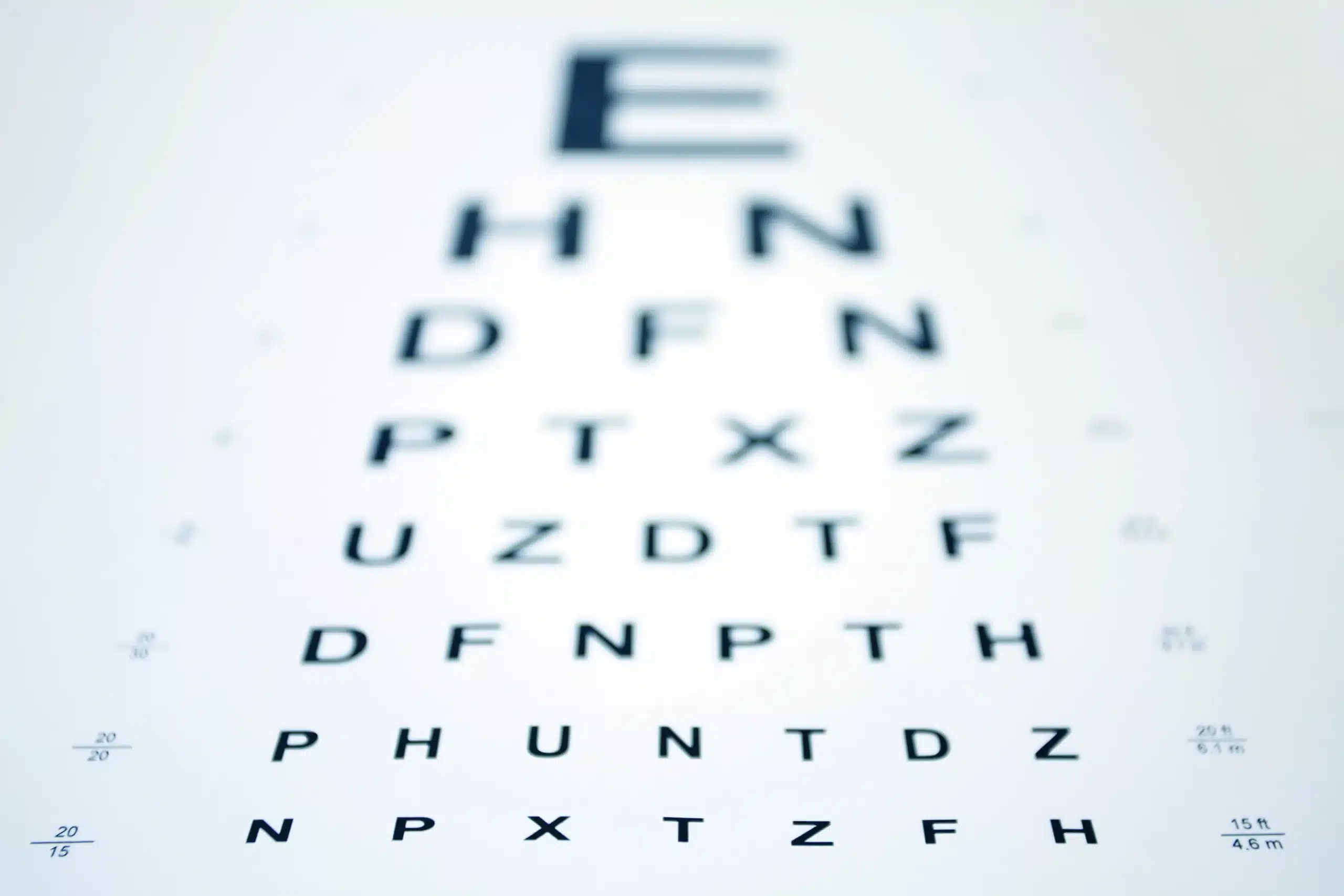

Why Regular Eye Tests Matter for Carers and the People They Care For
National Eye Health Week (21–27 September) is a timely reminder for unpaid carers across West Sussex to prioritise their eye health – and to encourage the person they care for to do the same.
As a carer, your focus is often on someone else’s wellbeing, making it easy to delay your own health appointments. But looking after your eyesight is essential. Good vision helps you care safely, remain independent and continue doing the things that matter to you.
Regular eye tests are one of the simplest ways to protect your eyesight and your overall health.
Why are regular eye tests important?
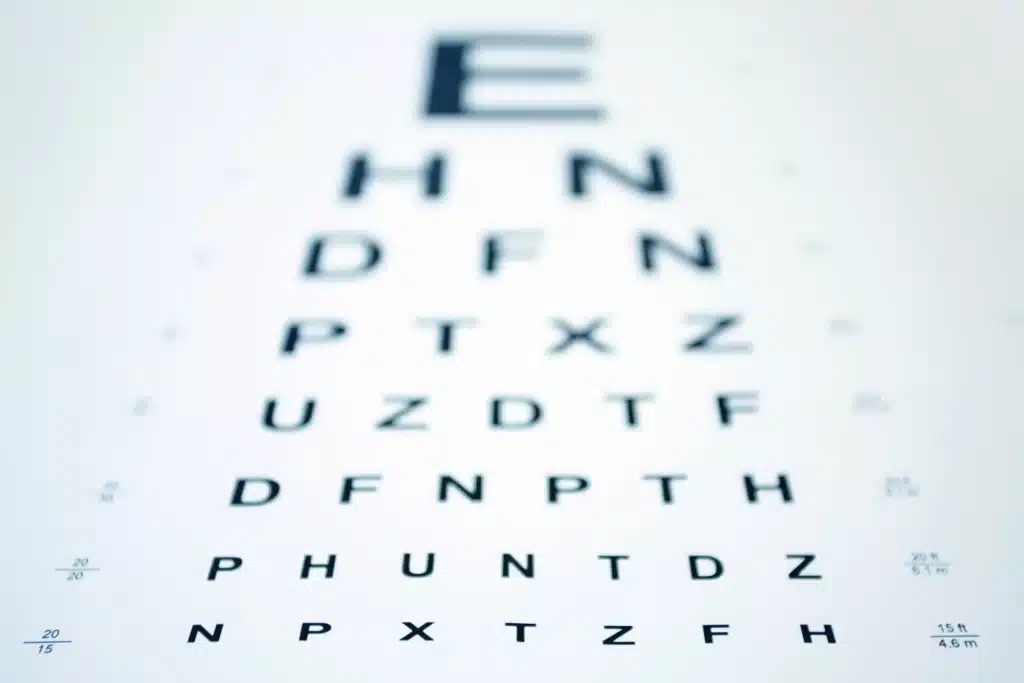
Many people think an eye test is only needed if their vision becomes blurry or they need new glasses. In reality, a routine eye examination is an important health check that can detect problems long before you notice any symptoms.
An eye test can identify common eye conditions such as glaucoma, cataracts and age-related macular degeneration. When these conditions are detected early, treatment can often slow progression and help protect your sight.
Eye examinations can also reveal signs of wider health conditions, including diabetes and high blood pressure, meaning they can play an important role in protecting your overall wellbeing.
Why should carers prioritise their own eye health?
When you’re caring for someone else, it’s easy to put your own needs last. However, maintaining good eyesight is vital if you’re helping with medication, preparing meals, driving, reading correspondence, managing finances or supporting someone with daily activities.
Taking time to book your own eye test isn’t taking time away from caring – it’s helping you stay well enough to continue in your caring role.
If you wear glasses, regular appointments also ensure your prescription is up to date, helping to reduce eye strain, headaches and fatigue.
Supporting someone living with sight loss
If the person you care for is living with sight loss or low vision, regular eye examinations remain just as important.
Although some sight conditions cannot be reversed, routine checks can identify further changes, ensure any treatment is provided promptly and help people make the best use of their remaining vision.
Many people are unaware that specialist support is available to help people adapt to sight loss and maintain their independence.
Sight loss affects thousands of families in West Sussex
Sight loss is more common than many people realise.
It is estimated that more than 2 million people are living with sight loss across the UK, including over 36,200 people in West Sussex living with sight loss or low vision.
Behind these numbers are thousands of unpaid carers, partners, family members and friends whose lives are also affected. Protecting your eye health through regular eye tests is one small step that can make a significant difference.
Free support for people with sight loss and their carers
For more than 100 years, 4Sight Vision Support has been helping blind and sight-impaired people across West Sussex, as well as the carers, families and friends who support them.
Its free services include:
- Practical advice on everyday living.
- Obtaining financial assistance.
- Emotional support and advocacy.
- Social activities and peer support.
- Eye health information and advice on preventing avoidable sight loss.
- Daily living aids and accessible technology.
- Support accessing local opticians and other eye care services.
Whether you have recently noticed changes in your vision or care for someone living with sight loss, you don’t have to manage alone.
Are you eligible for a free NHS eye test?
Many people are entitled to free NHS eye tests, including some older adults, people receiving certain benefits and those with specific eye conditions or increased risk of eye disease.
If you’re unsure whether you or the person you care for qualify, it’s worth checking the NHS eligibility criteria when booking an appointment.

Make your eye health a priority this National Eye Health Week
If it’s been more than two years since your last eye test—or you’ve noticed changes in your vision—don’t delay.
Book an appointment with your local optician and encourage the person you care for, along with family and friends, to do the same.
Looking after your eyesight is an important part of looking after your overall health. By taking action now, you can help protect your vision for the future.
If you or the person you care for would like advice about living with sight loss, practical support or help accessing local eye care services, contact 4Sight Vision Support on 01243 828555 or email enquiries@4sight.org.uk.
At Carers Support West Sussex, we’re here to help unpaid carers look after their own wellbeing as well as supporting the person they care for. If you’re looking for information, advice or local support, explore our services or get in touch with our team.